Wireless Lavalier Microphone System
Anyone making videos will eventually need to buy a wireless mic. No matter how good a wired mic is, the cable is always a hassle. During interviews, if the person stands up and takes a couple steps, the cable gets pulled. When shooting outdoors, the cable drags on the ground, and wind noise gets picked up everywhere. When setting up camera positions, you have to calculate whether the cable is long enough.
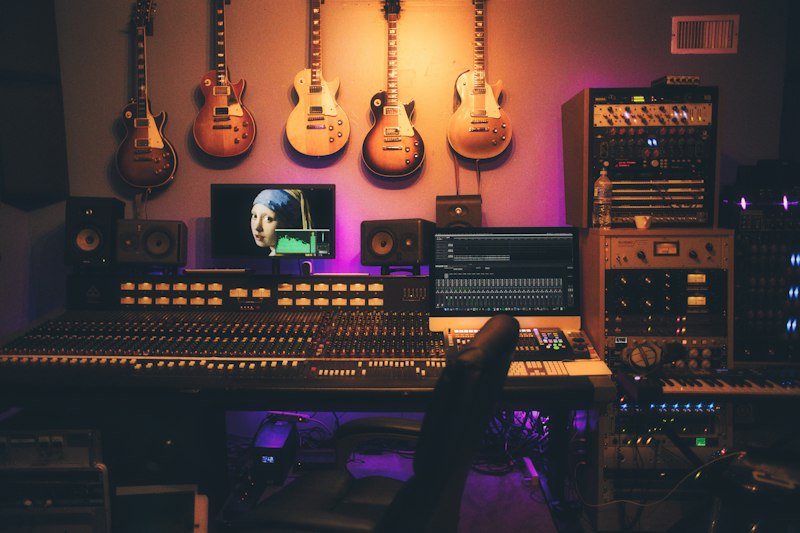
Wireless mics solve this problem. But wireless mics bring their own new problems.
The Three Main Problems
Noise Floor
The first problem is noise floor. Cheap wireless mics almost all have noise floor—a hissing sound, like a radio not tuned to the right station. This sound can't be suppressed. Noise reduction plugins can handle it somewhat, but after processing, the voice also becomes muffled. Some people say post-production can save it, but actually it can't save much.

Signal Dropouts
The second problem is dropouts. Wireless signals can be interfered with. In places with many wireless devices around—like shopping malls, trade shows, office buildings—the signal may drop. When it drops, there may not be any warning. You only discover a section is missing when you go back and review the footage.

Latency
The third problem is latency. Cheap wireless mics can have latency of tens of milliseconds. When lip-syncing, you can see the mouth and sound don't match up.
These three problems are especially common in wireless mics under two to three hundred yuan. Those wireless mics for just a few dozen yuan on Taobao and Pinduoduo—scroll through the review section and you'll find tons of comments about noise floor and dropouts. It's not isolated cases; it's a widespread situation.
Wireless mics above two to three hundred yuan have much fewer of these problems. Not that they're completely eliminated, but the probability is much lower.
Currently, the more popular models on the market include Rode's Wireless GO II, DJI's Mic, and Hollyland's Lark series. Prices are all in the range of two to three hundred to five or six hundred yuan.
Product Comparison
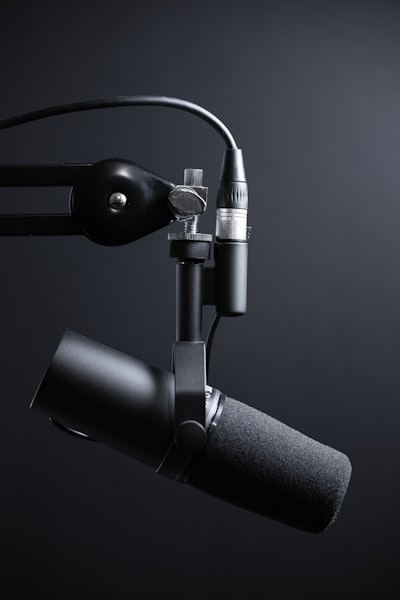
The Rode model came out early, has many users, and lots of tutorials. Two transmitters paired with one receiver. The transmitter has a built-in microphone and can also connect an external small lavalier. The transmitter can record internally—meaning while transmitting wirelessly, it also saves a local copy. When this feature first came out, many people thought it was unnecessary. Later, they discovered it can really be a lifesaver. Once while shooting at a trade show, surrounded by wireless devices everywhere, the audio transmitted to the receiver was choppy, but the local copy on the transmitter was complete. Just sync it up in post.
Pioneer • Rich Tutorials
The DJI model came out a bit later. Magnetic design—no clip needed, attaches directly to clothing. The receiver has a small screen that shows levels. Battery life is slightly longer than Rode. Sound quality is about the same between the two; which one you choose comes down to personal preference. Some people prefer the clip because it's secure. Some people prefer magnetic because it's convenient.
Magnetic • Screen Display
Hollyland is a bit cheaper—you can get one for just over two hundred. Sound quality is also decent, but the build quality and feel are a bit lacking, with more of a plastic feel. If budget is tight, it's worth considering.
Budget-FriendlyThings to Note When Buying Wireless Mics
Transmitter Placement is Crucial
Clipping it directly on the collar will cause it to rub against clothing, creating a rustling sound. Especially when the person being recorded talks, their chin moves, the collar moves with it, and it's all noise. Place it lower, on the chest, further from the collar, and it's much better.
Obstacles Affect Signal
When the transmitter is hidden inside clothing, the signal will be weaker. When wearing thick outerwear or down jackets, it's best to clip the transmitter on the outside, or use an extension cable to bring the microphone out.
Plan Your Battery Life
Most wireless mics have battery life of around six to seven hours. For a full day of shooting, you'll need to swap batteries or charge in between. Some transmitters can charge while in use, some can't—check clearly before buying.
Camera Interface Noise
There's something many people don't know. When the wireless mic receiver is plugged into a camera, some cameras' microphone ports have power supply noise that gets mixed in. The solution is to not power the receiver from the camera—use its own battery. Or buy an audio cable with isolation.
Making the Right Choice
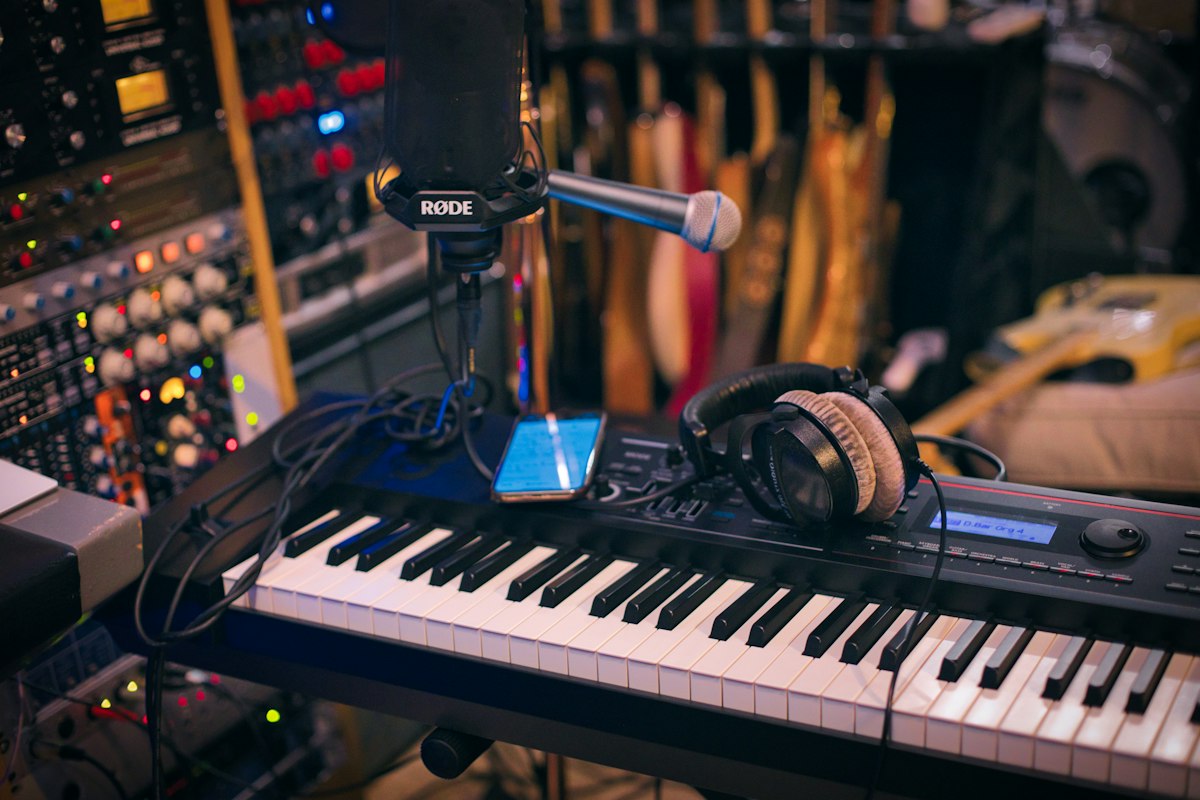
Wired mics don't have any of these problems at all. No noise floor, no dropouts, no latency, no interference. Plug it in and it works. A one to two hundred yuan wired lavalier mic can match the sound quality of a three to four hundred yuan wireless mic. The only problem is that cable.

Wired Microphone
- ✓ No noise floor
- ✓ No dropouts
- ✓ No latency
- ✓ No interference
- ✓ Better price-to-quality
- ✗ Cable limitations

Wireless Microphone
- ✓ Freedom of movement
- ✓ No cable restrictions
- ✓ Flexible positioning
- ✗ Potential noise floor
- ✗ Signal dropout risk
- ✗ Battery management
So actually, choosing wired or wireless isn't a question of which is better—it's a question of shooting scenarios. If the person being filmed needs to move around, or if the camera is far from the person, or if you're shooting at an event venue where you can't run cables, then wireless is a must. For stationary interviews, fixed-position course recordings—wired is actually more worry-free.
Reality check: Many people buy a wireless mic and then buy a wired mic again, using both interchangeably. This expense can't be avoided.
About Frequency Bands
Wireless mics are divided into two types: 2.4G and UHF. 2.4G is the same frequency band as WiFi and Bluetooth, so there can be more interference, but the devices are small and cheap. UHF has less interference, but devices are larger and more expensive. The Rode, DJI, and Hollyland mentioned earlier are all 2.4G. Professional film/TV wireless mics are mostly UHF—Sennheiser, Sony, and such, costing several thousand to tens of thousands of yuan. Regular people don't need them.

Consumer Grade
Same frequency band as WiFi and Bluetooth. The Rode, DJI, and Hollyland mentioned earlier are all 2.4G.
- Compact device size
- More affordable pricing
- More potential interference
- Suitable for most creators

Professional Grade
Professional film/TV wireless mics are mostly UHF—Sennheiser, Sony, and such, costing several thousand to tens of thousands.
- Less interference
- Larger device size
- Higher price point
- Regular people don't need them
Final Recommendation
If budget is limited, spend two to three hundred yuan on a Rode or DJI or Hollyland—it'll last several years. Don't buy something too cheap; if you do, you'll most likely regret it.